
ASSESSMENT
The first image that often comes to mind when one thinks about assessment is that of an exam taken in isolation. However Assessment has several forms and is needed for a variety of purposes within teaching and student learning. During this topic I will cover the following points, all of which are essential in discovering the importance of Assessment of Primary School Children.
Purpose of Assessment. What makes a good Assessment? Types of Assessment.
Purpose of Assessment- Promoting children’s learning is the principle aim of schools and assessment is at the very heart of this process. It allows teachers to identify student’s zones of proximal development and to change their teaching methods to better suit the needs of the student. Assessment lets us know if different teaching methods are effective and which methods are more effective than others. The results of assessment ensure the improvement of teachers themselves as well as the improvement of the education system as a whole. Assessment provides a record of student achievement and areas that need improving. By providing information to teachers, teachers are then able to give students feedback. Students are motivated by assessments and feel more compelled to study for topics that they know they will be assessed on. “Assessment is a major part of the educational process and without it, teaching would be a rather unfocused activity” (Long, 2004, p.47).

Types of Assessment- All types of assessment fall into one of two categories; Informal Assessment and Formal Assessment. Both are equally important in achieving effective student learning. Formal Assessment is the conventional method of assessing students taking the form of quizzes and test papers. This type of Assessment makes gathering the same kind of information from students possible.

What makes an Assessment effective? When choosing or developing an assessment the two main characteristics of reliability and validity must be present in order to make the assessment useful. “The reliability of a test means the extent to which it is dependable, or how close a particular result is to the ‘true’ value of what is being measured” (Long, 2004, p.56). “A test is valid if it measures what it is supposed to measure” (Long, 2004, p.58). Having a good knowledge about the way children learn is the key. A good understanding of constructivist theories will benefit teachers when choosing or developing assessments.
Often planning an assessment can be time consuming. It is difficult to remain focused at the task at hand as well as taking into consideration every aspect of what makes an assessment effective.
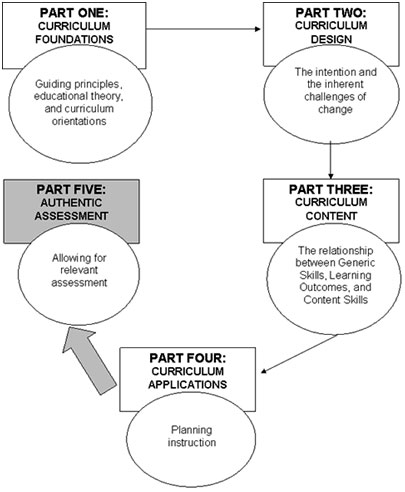
(“Assessment Planning”)
Checklist to ensure the assessment is reliable and valid.
· Does the assessment correlate with learning objectives?
· Is there a set marking criteria in place?
· Is the assessment bias free?
· Are the questions clear and concise?
· Have you considered allowances for students with special needs?
· Have I explained the purpose of the assessment to the students?
Assessment is the foundation of effective teaching. "Assessment for learning can contribute to the development of effective schools. If assessments of learning provide evidence of achievement for public reporting, then assessments for learning serve to help students learn" (Stiggins, 2002). Assessment will inform the teaching process to achieve the desired outcomes as long as it is done in a practical way. That is, not taking up too much of the teaching time and it is targeting the right skill/concept so decisions can be made about the next step in the teaching/learning process.
